One location
5:45–8:45 PMUse a controlled action site with an adjacent portrait zone. No travel after call time.
 SS—PROD—001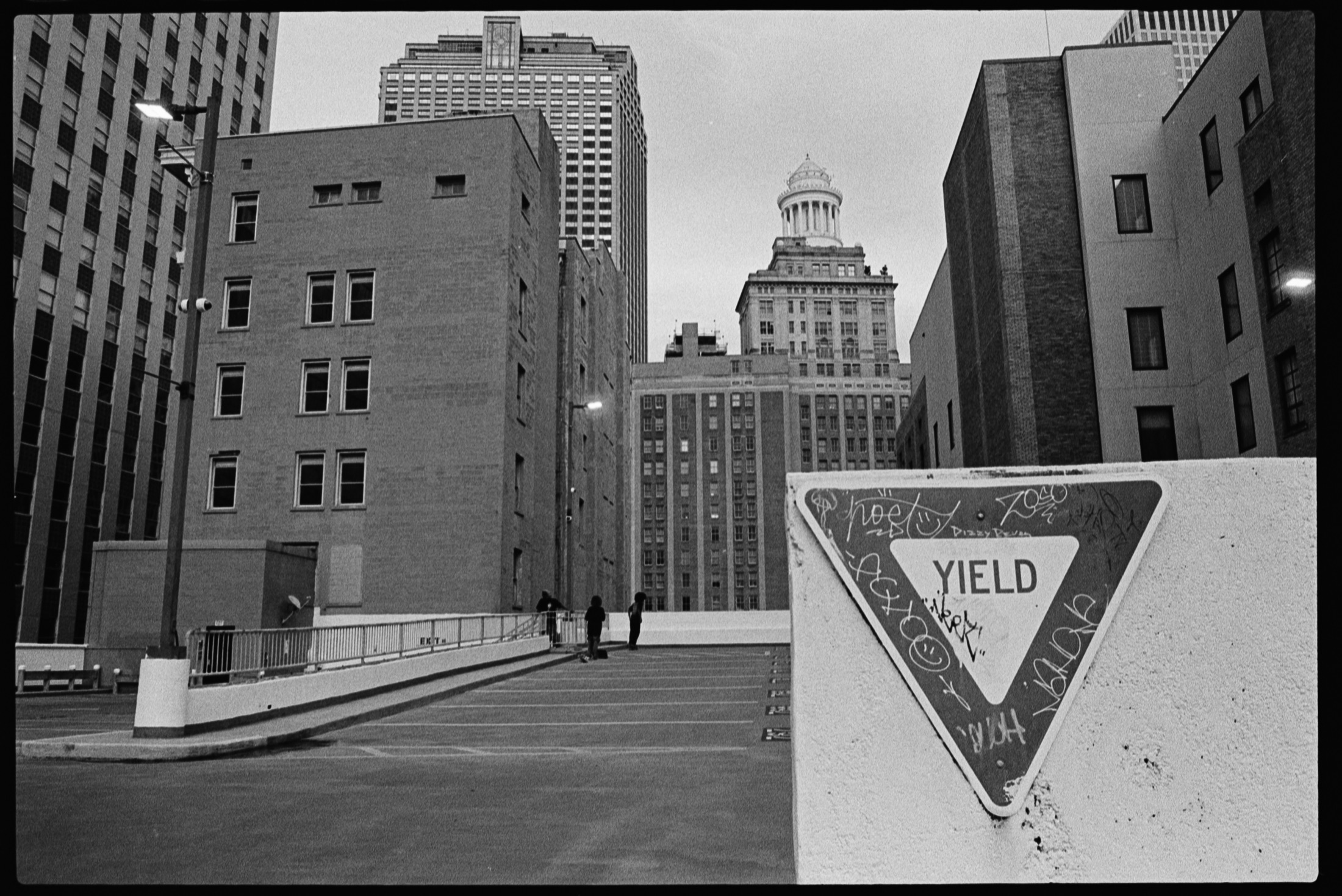
New Orleans / July 19, 2026
One complete drift sighting. Two locations maximum. Every setup becomes a film, a still, a loop, and a piece of evidence.
Do not chase the entire campaign across four locations. Finish one Drift Sighting with a beginning, transformation, and declaration.
Garage / controlled driving site / one moveUse a controlled action site with an adjacent portrait zone. No travel after call time.
Garage portraits first, then one controlled driving location through sunset and blue hour.
Use the same two locations. Spend the extra time on direction, sound, film, and optical work.
Protect the final ninety minutes. Sunset and blue hour are the day's highest-value production window.
Safety brief. Assign cameras. Confirm the visual arc and the vehicle path.
Posed film, digital flash, wardrobe, product, keys, mirrors, hands, and vehicle details.
Travel to the controlled driving site. Hydrate and reset media while the car cools.
Empty plates, surveillance wides, marks, safe zones, and low-speed rehearsals.
Wide master, profile, compression, physical details, and one slow-motion accent.
Sunset hero poses, silhouettes, smoke or atmosphere already present on site, and direct-to-lens frames.
Direct flash, headlights, cabin light, surveillance loops, and monitor glow.
Downtime, jokes, waiting, fixing, engine texture, doors, ambience, and room tone.
Verify the hero wide, portrait, vertical action, clean plate, sound, and film log.
Do the wide first. Experiment last.
One readable master before coverage.
Empty frame, arrival, action, exit.
Environmental, full body, tight, and direct.
Keys, tires, garments, hands, cabin, marks.
Protect both edits while the setup is live.
Double exposure, reflection, or slow-shutter flash.
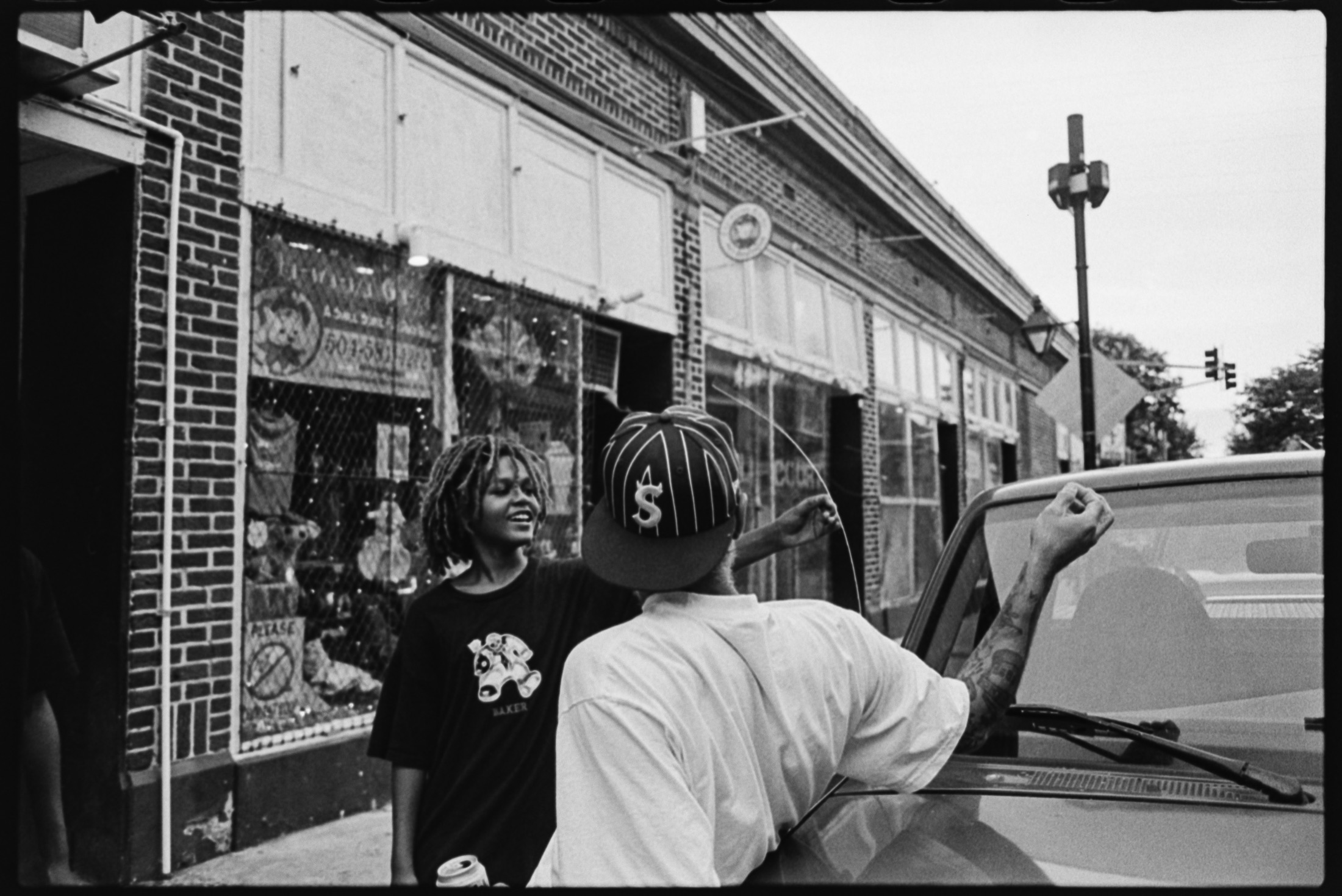
Small inside the city.
The locked camera notices.
Friends enter the frame.
Action repeats and presence multiplies.
One direct, undeniable portrait.
Direct the sequence and protect the cinematic master. Use film during composed setups, not unpredictable vehicle movement.
Own digital flash and vertical video. Lock the surveillance camera before picking up the second camera.
Place the car inside the opening. Use sky as the key, negative fill on one side, and one hard slash through glass.
Start three-quarter backlit. At dusk, move to headlights, a small cabin source, and hard direct flash.
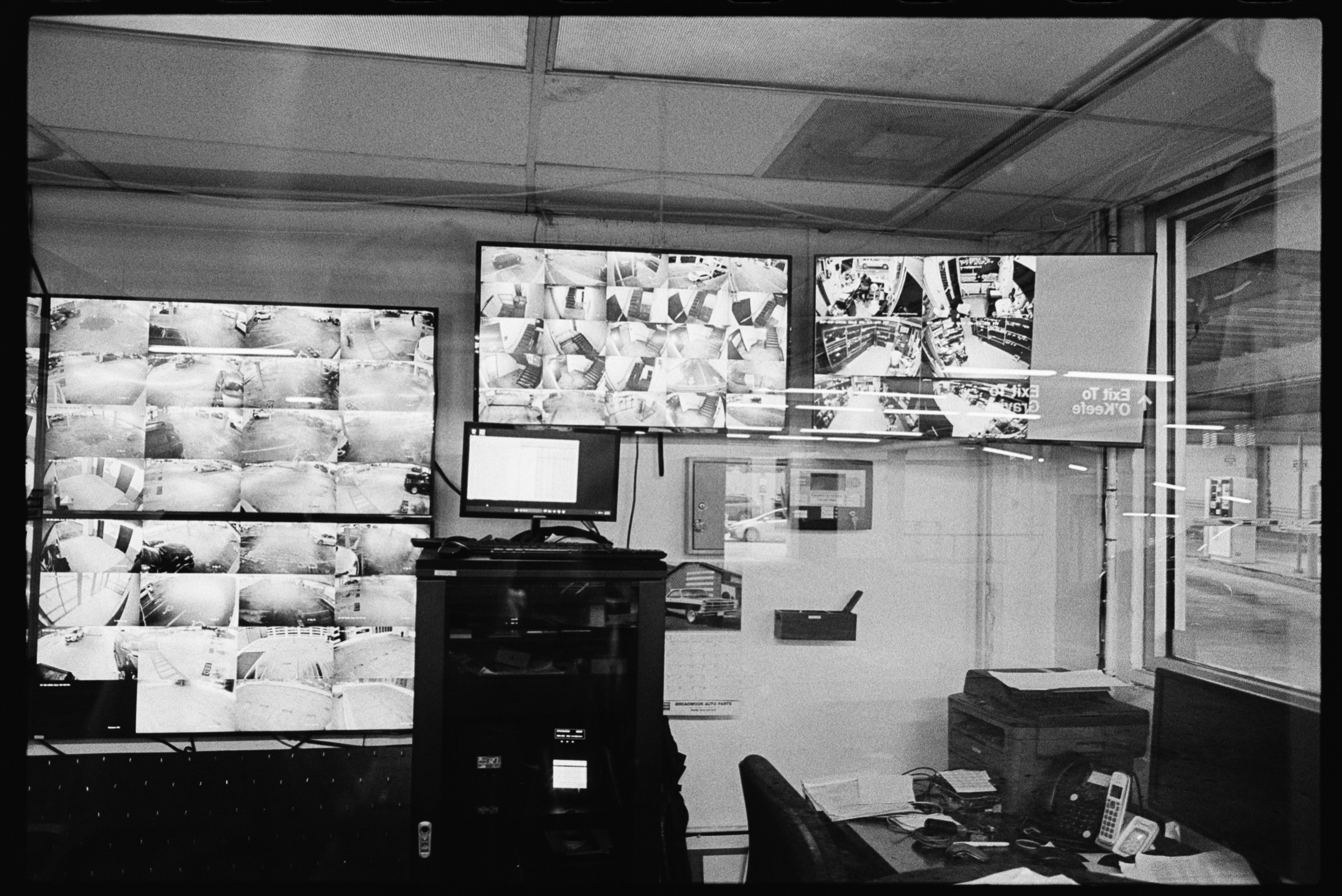
Ask the property owner to record or export the real security camera, but run your own high, locked-off wide as the master.
Vehicle action belongs on a sanctioned course or genuinely closed private property with permission, an experienced driver, controlled access, runoff, barriers, and a dedicated spotter or marshal.
If the venue does not provide safety staff, replace drifting with controlled low-speed passes, long-lens compression, steering and tire details, and strong sound design. Never place operators in the vehicle path or improvise exterior rigs.
One complete 15–30 second skill film.
Three or four repeatable 6–12 second signals.
Eight to twelve selects across film and flash.
Ten to fifteen physical and environmental details.
At least three unforced friendship moments.
Engine, ignition, doors, ambience, and voices.